 To Let
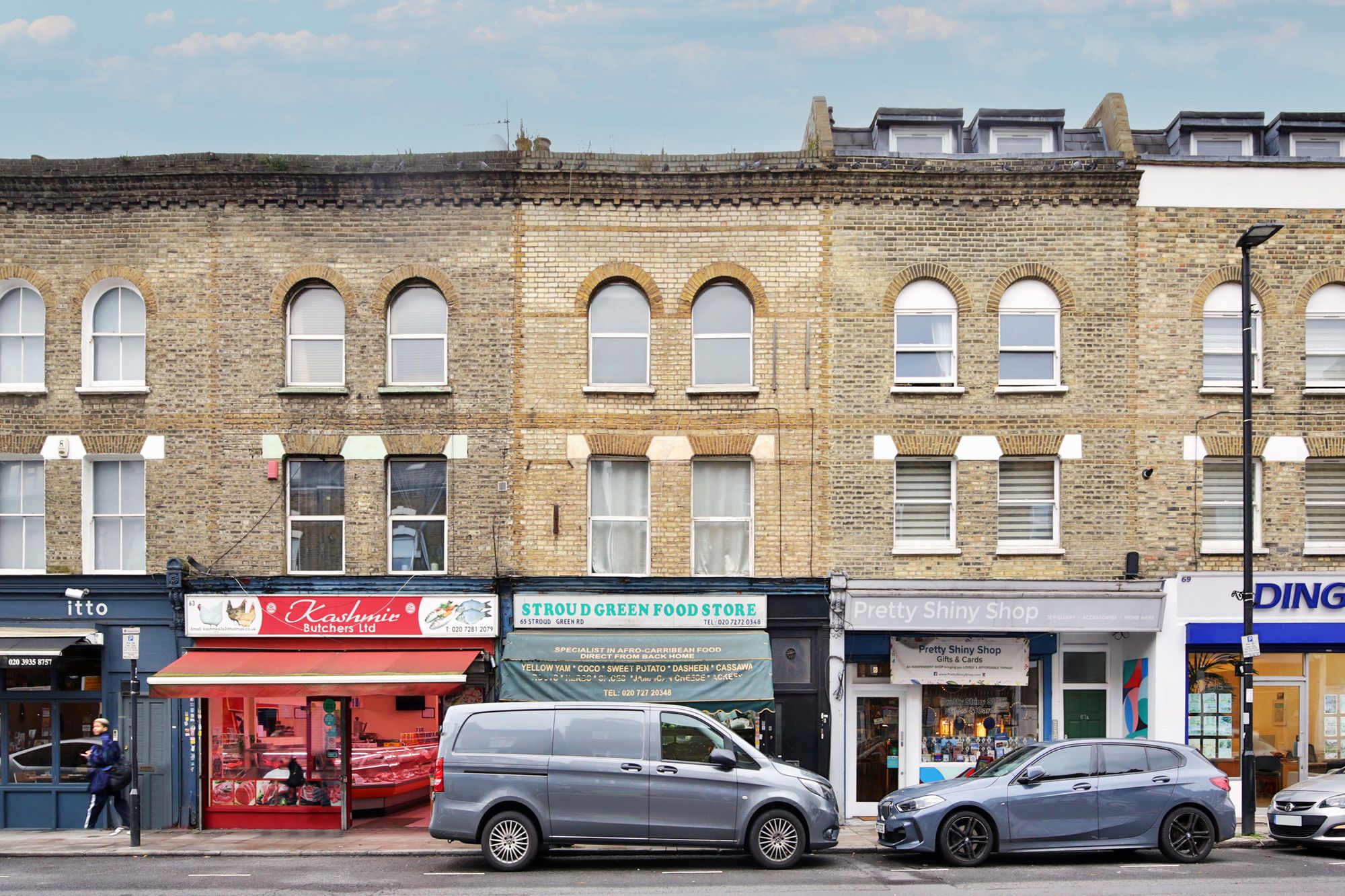
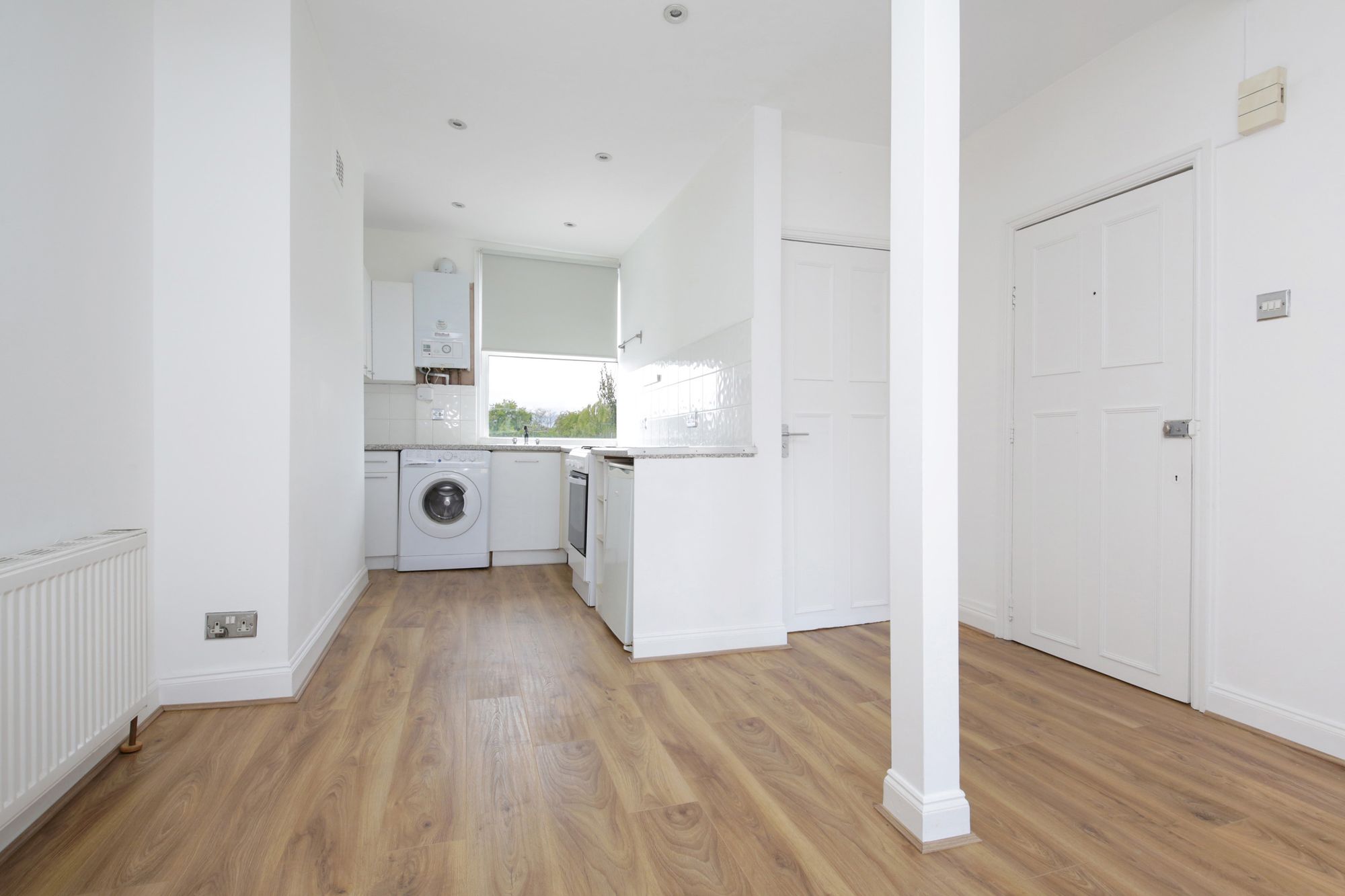
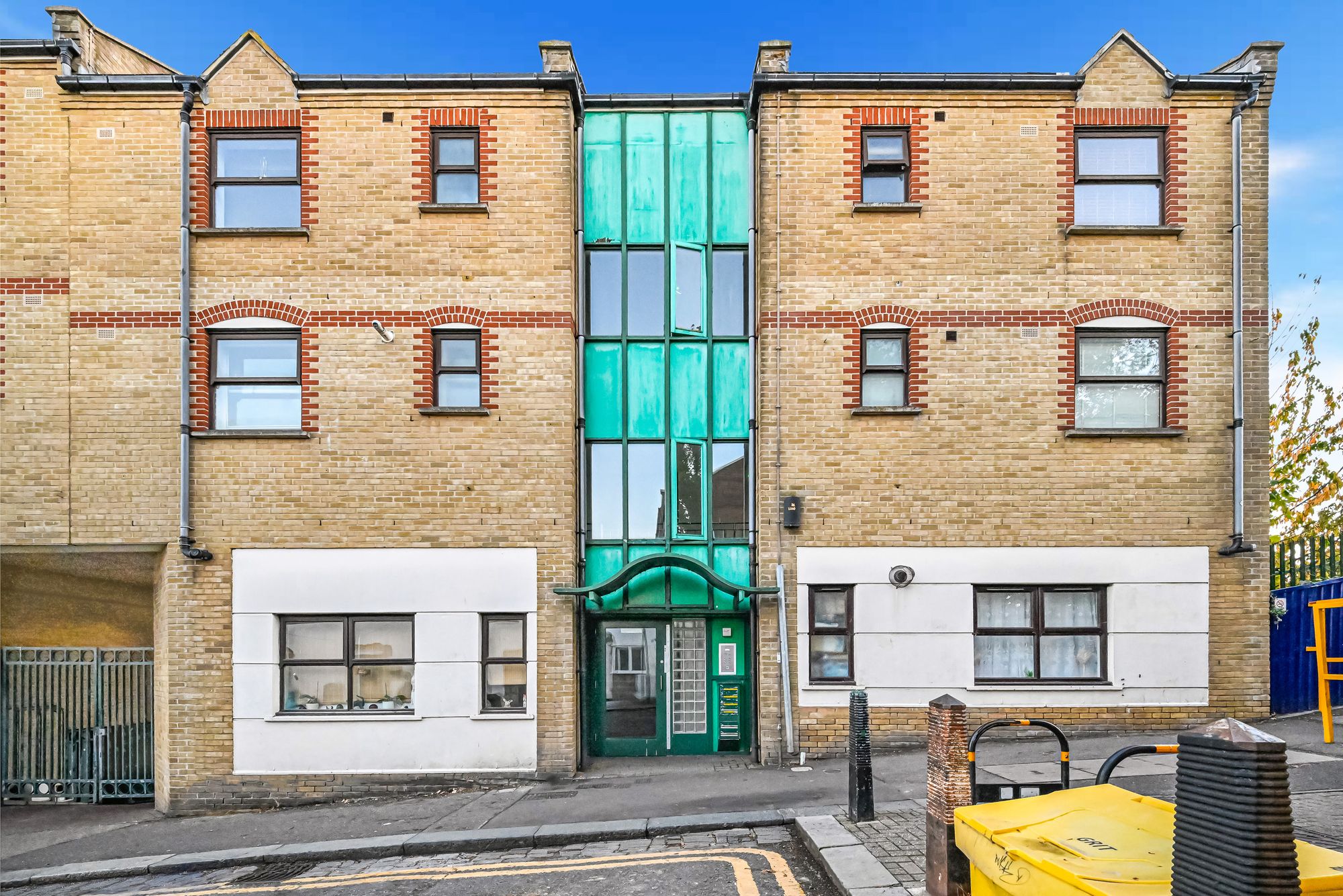
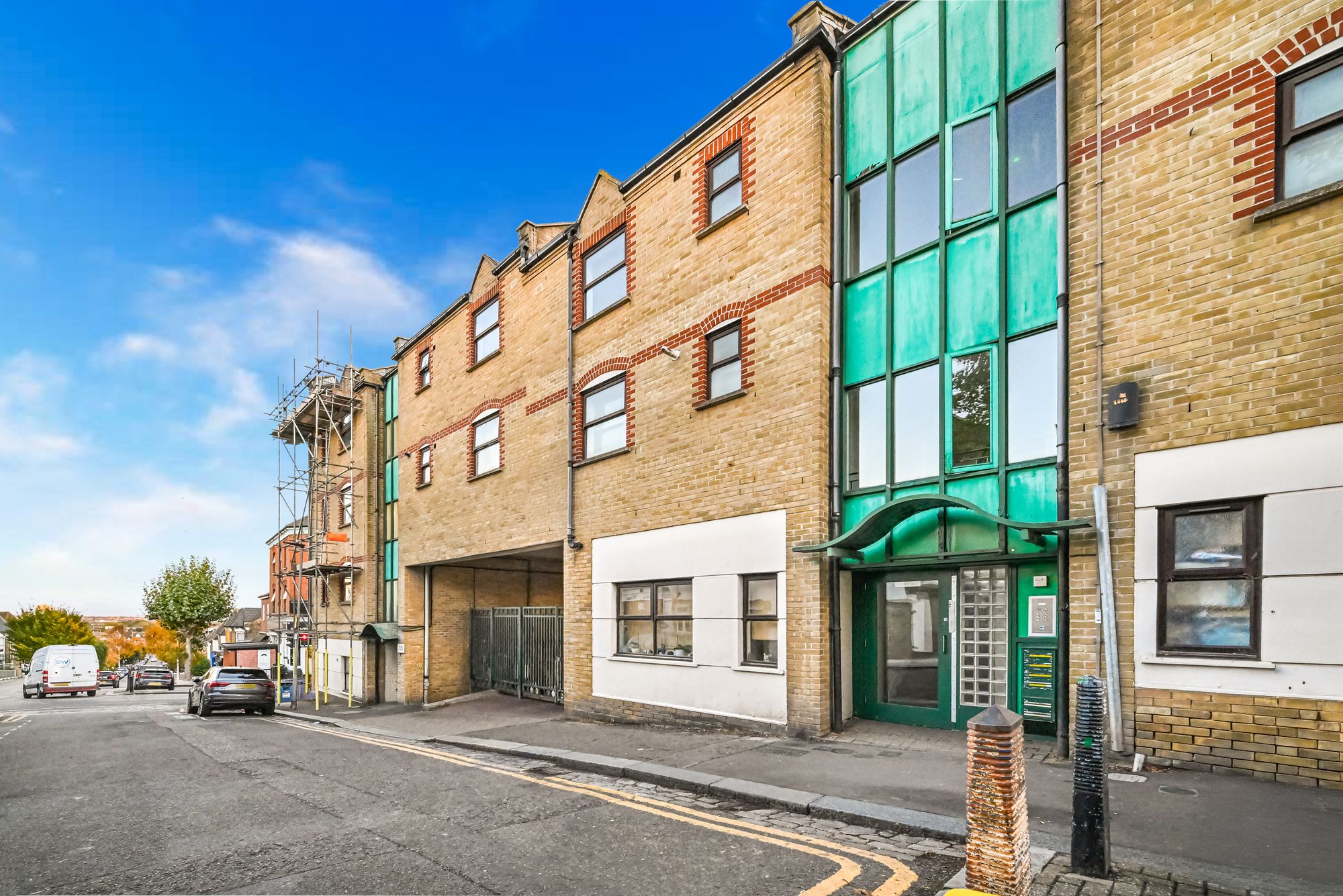
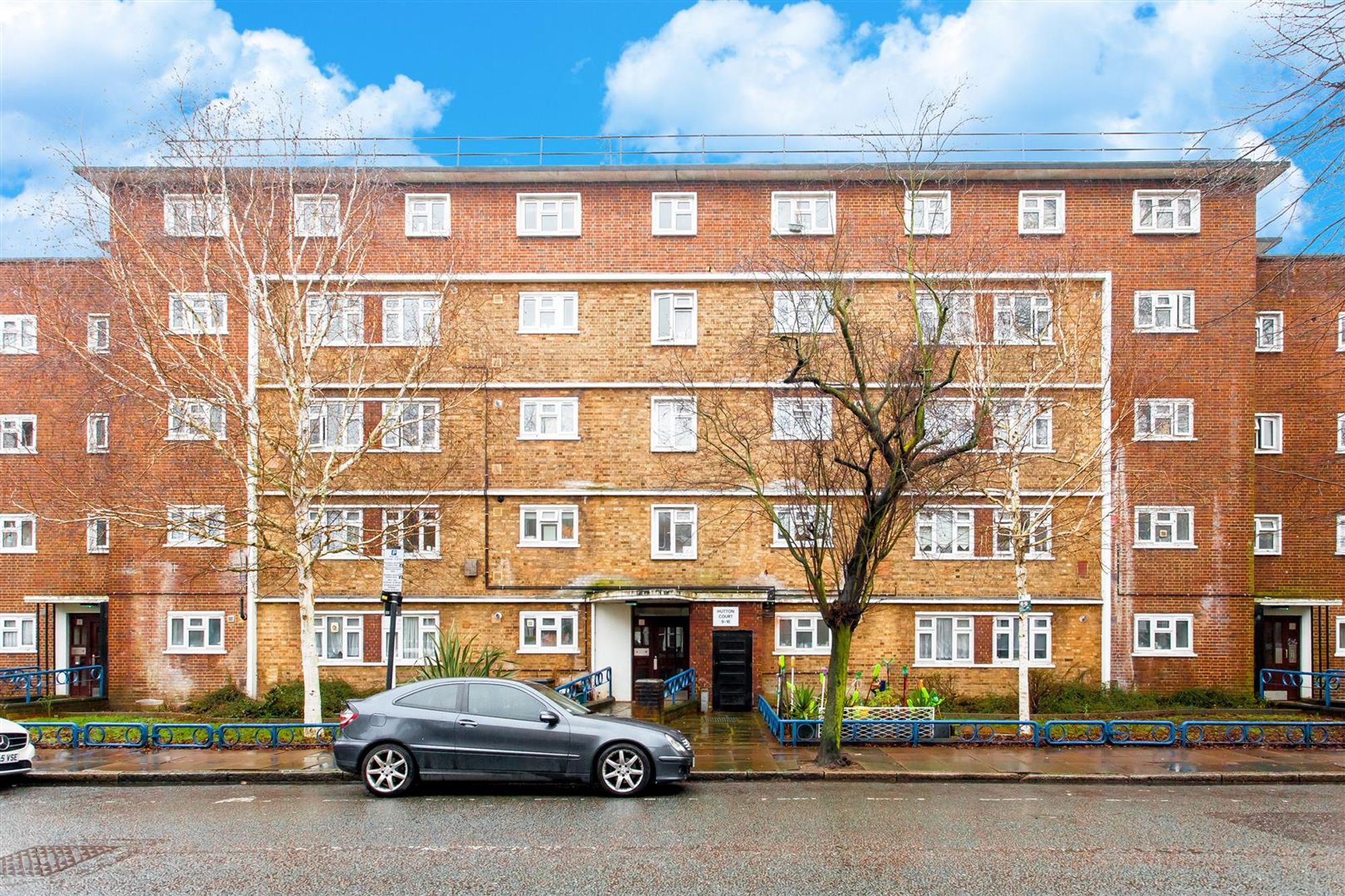
Stroud Green Road, Stroud Green N4
1 bed, £1,650 pcm


Real London with room to grow
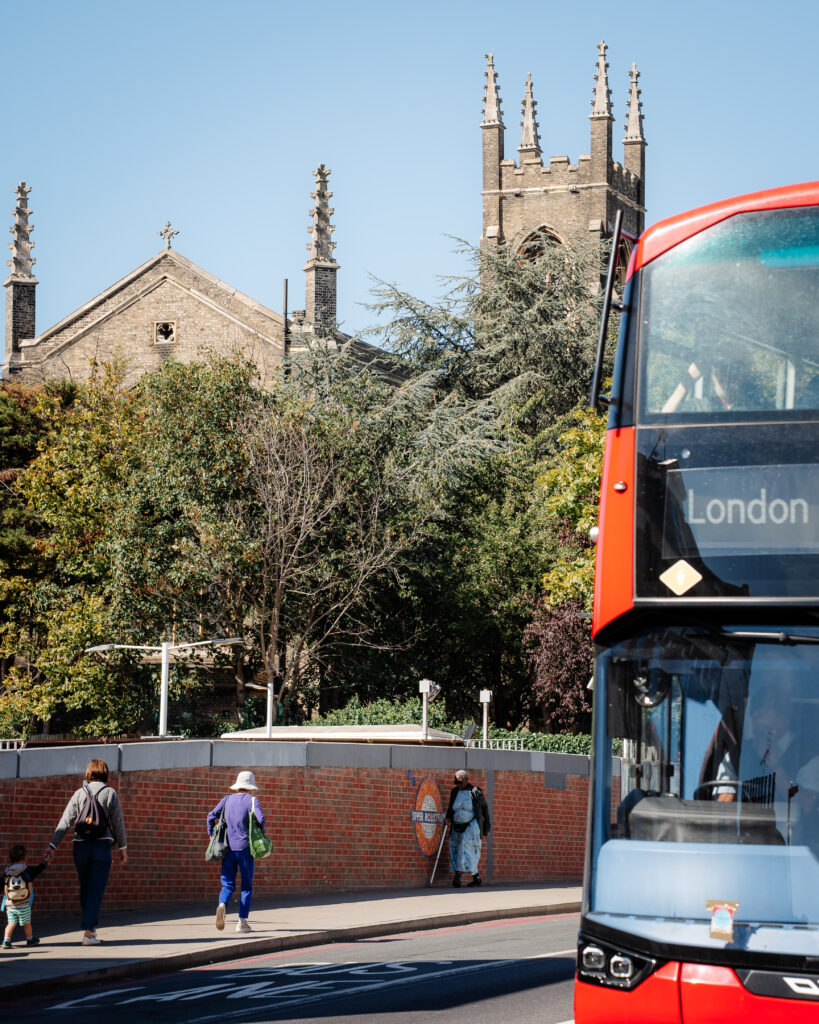
But look past the buses and the shopfronts and you’ll find a neighbourhood with far more to it than its frenetic first impressions suggests. There’s a 1930s picture palace that stops people in their tracks, a historic market that’s fed the area for decades, a music history most cool postcodes would envy, and quiet side streets of handsome Victorian houses that buyers are only just catching on to.
Holloway is a place that keeps reinventing itself without losing what makes it real. Old billiard factories become cafés, a former prison site is becoming new homes (makes for an interesting story down the pub), and new independents open next to shops that have been here for generations. It’s London as it actually is, rather than how it looks in an estate agent’s brochure, and plenty of people wouldn’t have it any other way.
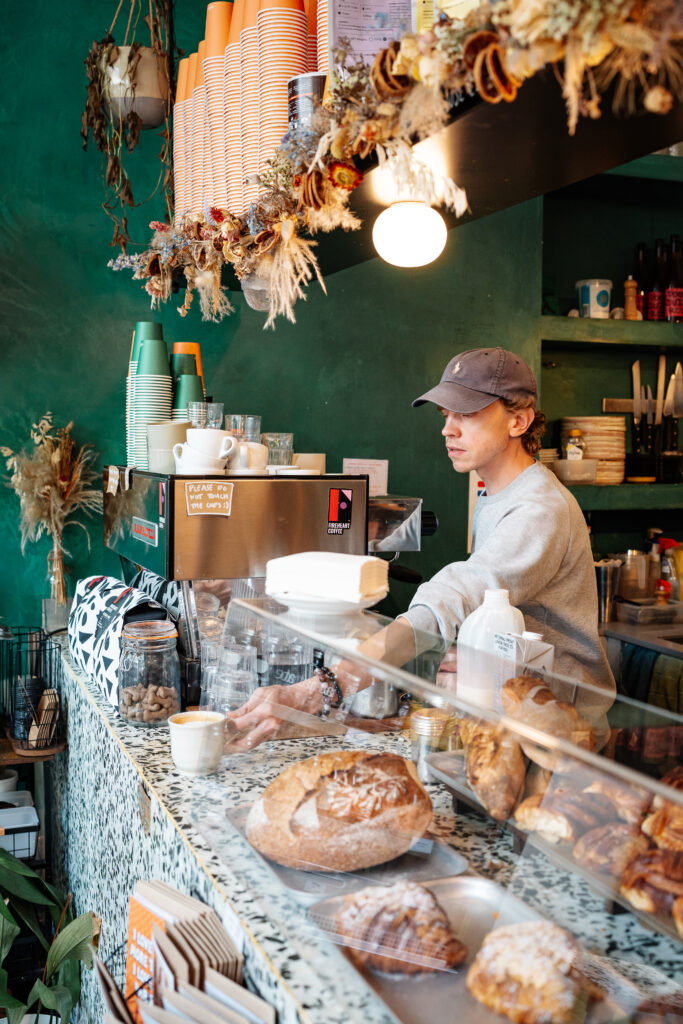
Holloway wakes up early. By seven, the Green Room Café is already pouring flat whites for the first wave of commuters.
It sits at the front of the Billiard Factory, a beautifully restored Victorian warehouse on Holloway Road that’s now home to creative studios and small businesses. It’s the kind of place where you go in for a coffee and end up chatting to a ceramicist, a start-up founder and a dog.
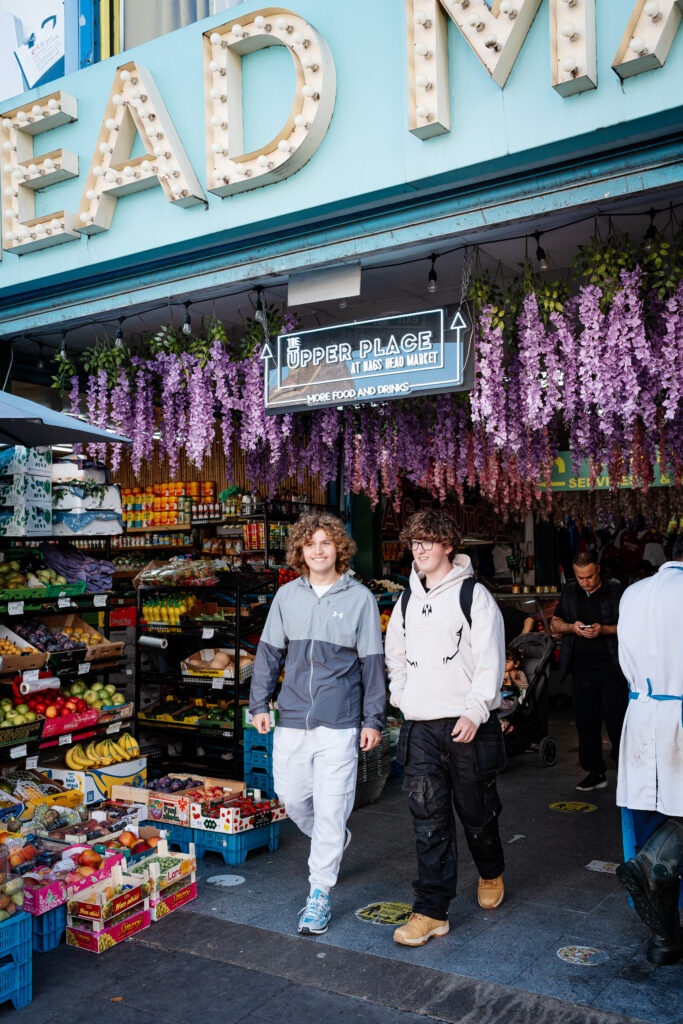
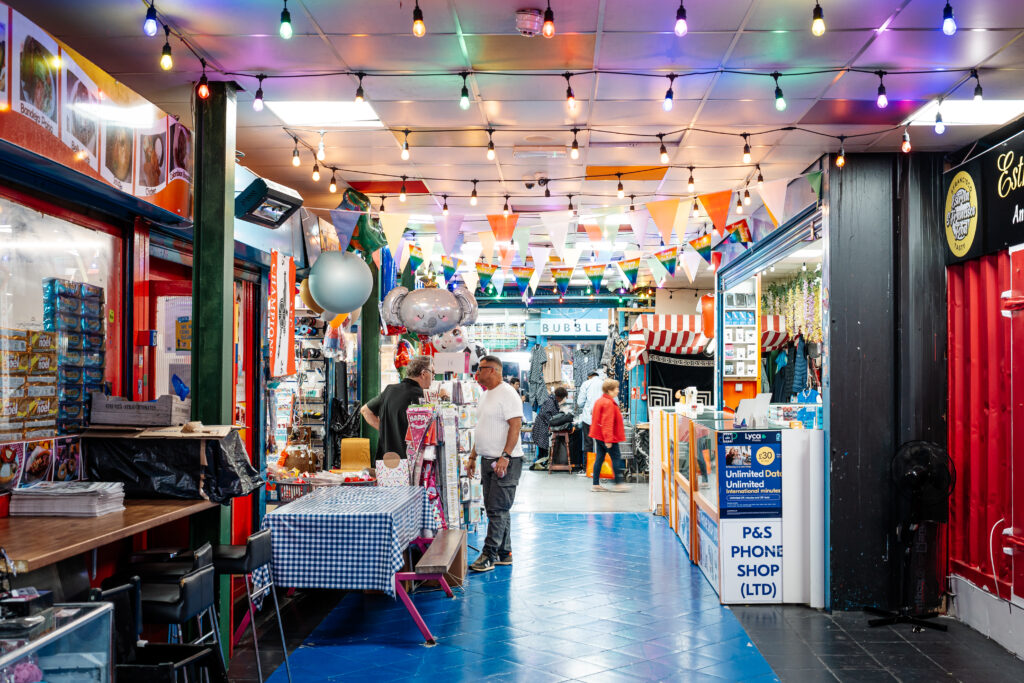
Around the Nag’s Head, the shutters go up on Seven Sisters Road and Holloway Road, and the market traders start setting out their stalls. Head a few streets back and the pace drops immediately, with quiet terraces, leafy squares and the school run heading down roads where you’d never guess a main road was only a minute away.

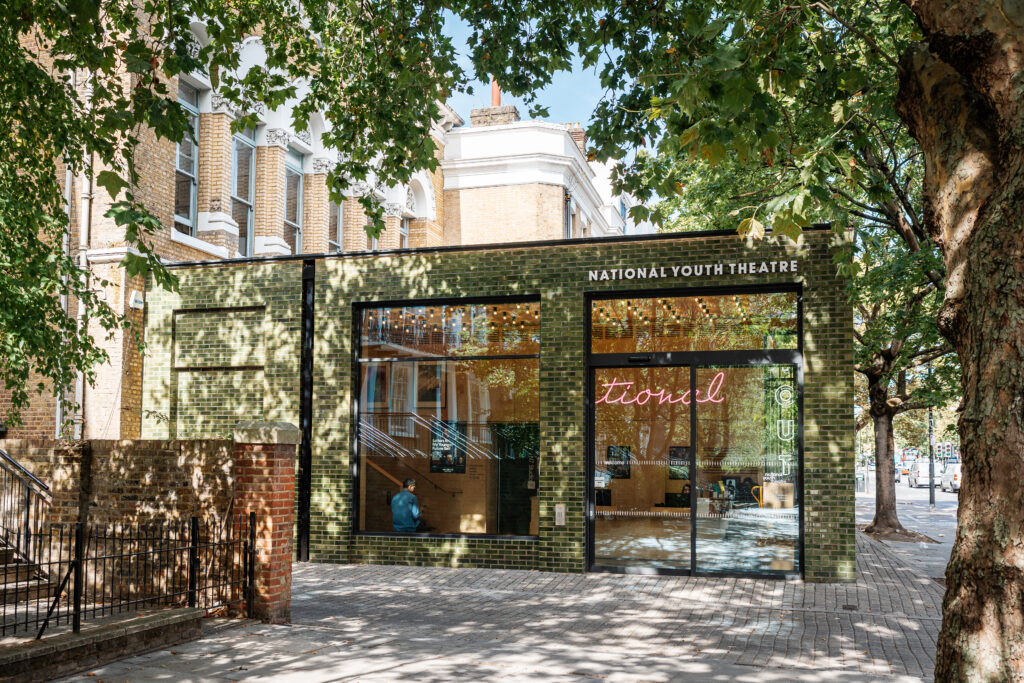
Evenings often start at the Odeon. Opened in 1938 as the Gaumont, it’s a Grade II listed Art Deco landmark with a striking tiled tower on the corner of Holloway Road and Tufnell Park Road. It once seated more than 3,000 people. Today it’s a seven-screen cinema with reclining seats, and its original 1930s restaurant above the foyer is now a lounge. A night at the pictures here still feels like an occasion.
Before or after the film, locals duck round the corner to The Swimmer at the Grafton Arms, a Victorian corner pub tucked away on a quiet street just off the main road. It’s decorated with swimming memorabilia from the owner’s love of the sport, has a serious gin list and an open kitchen, and is the sort of local you’d only find if someone told you about it. Consider yourself told.
On match days, the pubs closer to the Emirates fill up early, and the whole neighbourhood turns into one long conversation about the score.

Holloway offers something genuinely rare in Inner North London: proper space and real period character at prices that let buyers stretch to the home they want, not just the postcode. Wide streets, generous Victorian houses and room to grow into make it a smart move for first-time buyers looking for more than a one-bed, and for families who’ve been priced out of neighbouring areas.
Connectivity is the other big draw. With Holloway Road and Caledonian Road on the Piccadilly line, Upper Holloway on the Overground and Archway, Tufnell Park and Highbury & Islington all close by, Holloway suits people building a life across the whole city.
For sellers, the opportunity is in telling the full story. Many buyers arrive knowing Holloway only by its main road, so the homes that sell best are the ones that show what’s beyond it: the quiet street, the space, the original features, and the neighbourhood that comes with the postcode. A photo of a kitchen is easy. Making a buyer picture their Friday night, with a film at the Odeon and a gin at The Swimmer, takes real craft. That’s what our in-house marketing team does, and it’s why Davies & Davies has been selling and letting homes across this part of North London for almost a century.
Holloway is a neighbourhood in North London, in the N7 and N19 postcodes and the London Borough of Islington. It’s centred on Holloway Road, one of London’s oldest routes north, between Highbury & Islington to the south and Archway to the north, with Tufnell Park to the west and Finsbury Park to the north-east. Its busiest junction, the Nag’s Head, is the area’s main shopping hub.
Holloway is very well connected, with a choice of stations along and around Holloway Road. Holloway Road and Caledonian Road stations are on the Piccadilly line, giving direct links to King’s Cross, the West End and Heathrow. Upper Holloway is on the London Overground, Archway and Tufnell Park are on the Northern line, and Highbury & Islington, at the southern end, has Victoria line and Overground services. Frequent buses run the length of Holloway Road.
Holloway is down to earth, diverse and full of character. Its main road is busy, but the side streets are surprisingly quiet, with many generous Victorian houses and conversion flats. Locals love Nag’s Head Market, the Art Deco Odeon cinema and a growing mix of independent cafés and pubs. It’s especially popular with first-time buyers and families looking for more space for their money than in neighbouring areas.
Holloway has some well-regarded schools, particularly at primary level. Grafton Primary School on Eburne Road was rated Good by Ofsted in 2023, with Outstanding grades for behaviour and attitudes, personal development, and leadership and management, and it’s one of the most popular primaries in Islington. For secondary, Beacon High on Hilldrop Road, a mixed school for 11 to 16-year-olds, was rated Good in every area at its 2022 inspection. Davies & Davies’ local team can tell you which streets fall closest to which schools.
Nag’s Head Market is the place for street food, with stalls serving everything from Jamaican to Korean dishes. For coffee, the Green Room Café is a speciality coffee shop in the restored Billiard Factory on Holloway Road. For drinks, The Swimmer at the Grafton Arms is a much-loved Victorian pub with a serious gin list, tucked away just off the main road and handy for a film at the Odeon.
Values in Holloway vary a lot from street to street, and even from one side of Holloway Road to the other. Period houses on quieter roads and in the conservation areas are worth noticeably more than similar-sized homes on busier routes. For an accurate figure, book a free valuation with our team at Davies & Davies, based at 85 Stroud Green Road, a short hop from the Nag’s Head.
Choose an agent who can show buyers the Holloway beyond the main road. Davies & Davies has been selling and letting homes in this part of North London for almost a century, so we know which streets buyers will compete for. Every campaign is created by our in-house marketing team, our agreements run for just four weeks (where many agents ask for three months or more), and we can sell off-market if you’d prefer to keep your move private.
Holloway works well for both. Buyers are drawn by the space and value compared with neighbouring areas, while excellent transport links and a big student and young professional population keep rental demand high, especially close to the Piccadilly line. Some owners let first and sell later. As a sales, lettings and property management agent, Davies & Davies can talk you through every option honestly, and manage the property for you if you decide to let.
To Let
1 bed, £1,650 pcm
 For Sale
1 bed, £300,000
 For Sale
2 beds, £800,000
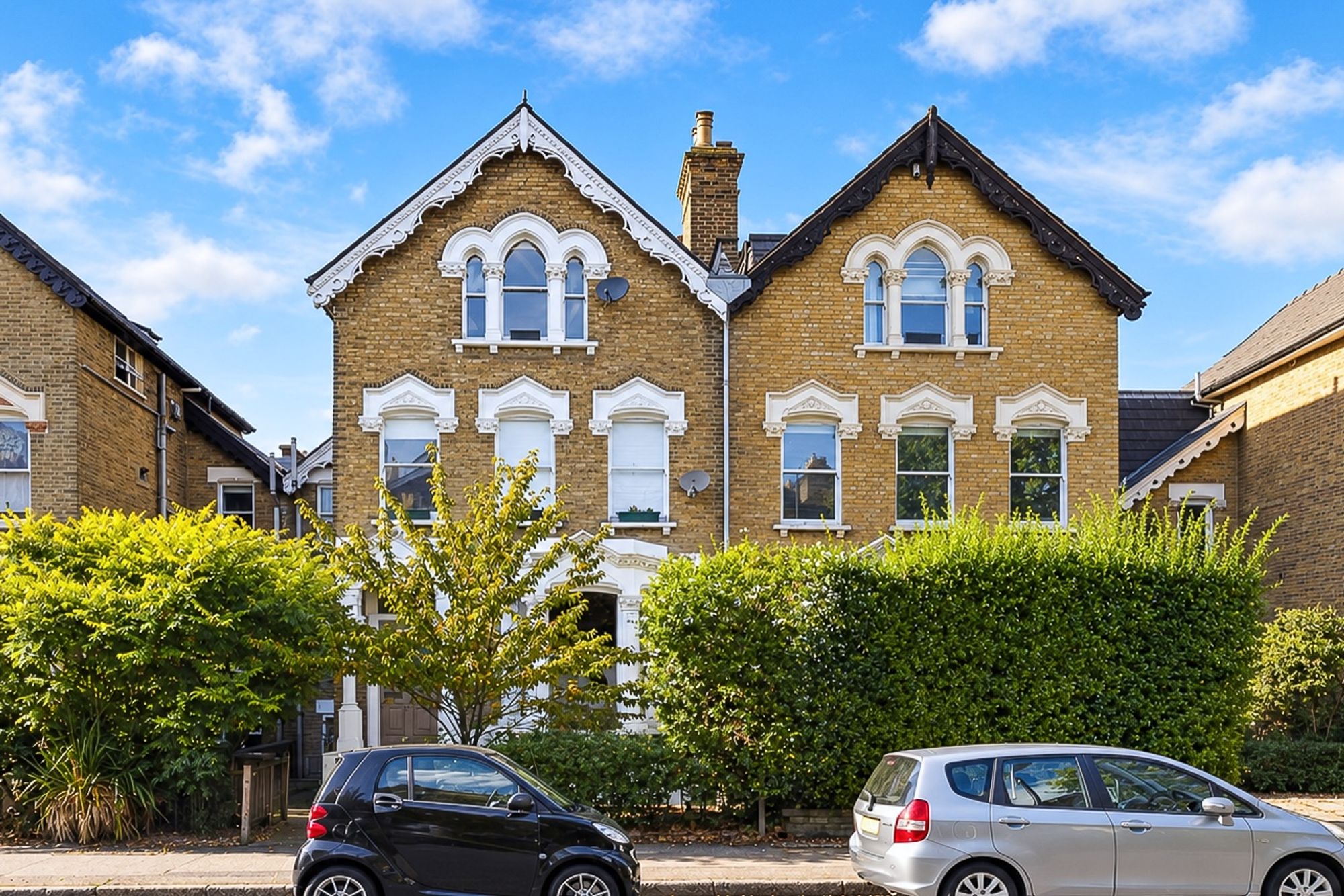
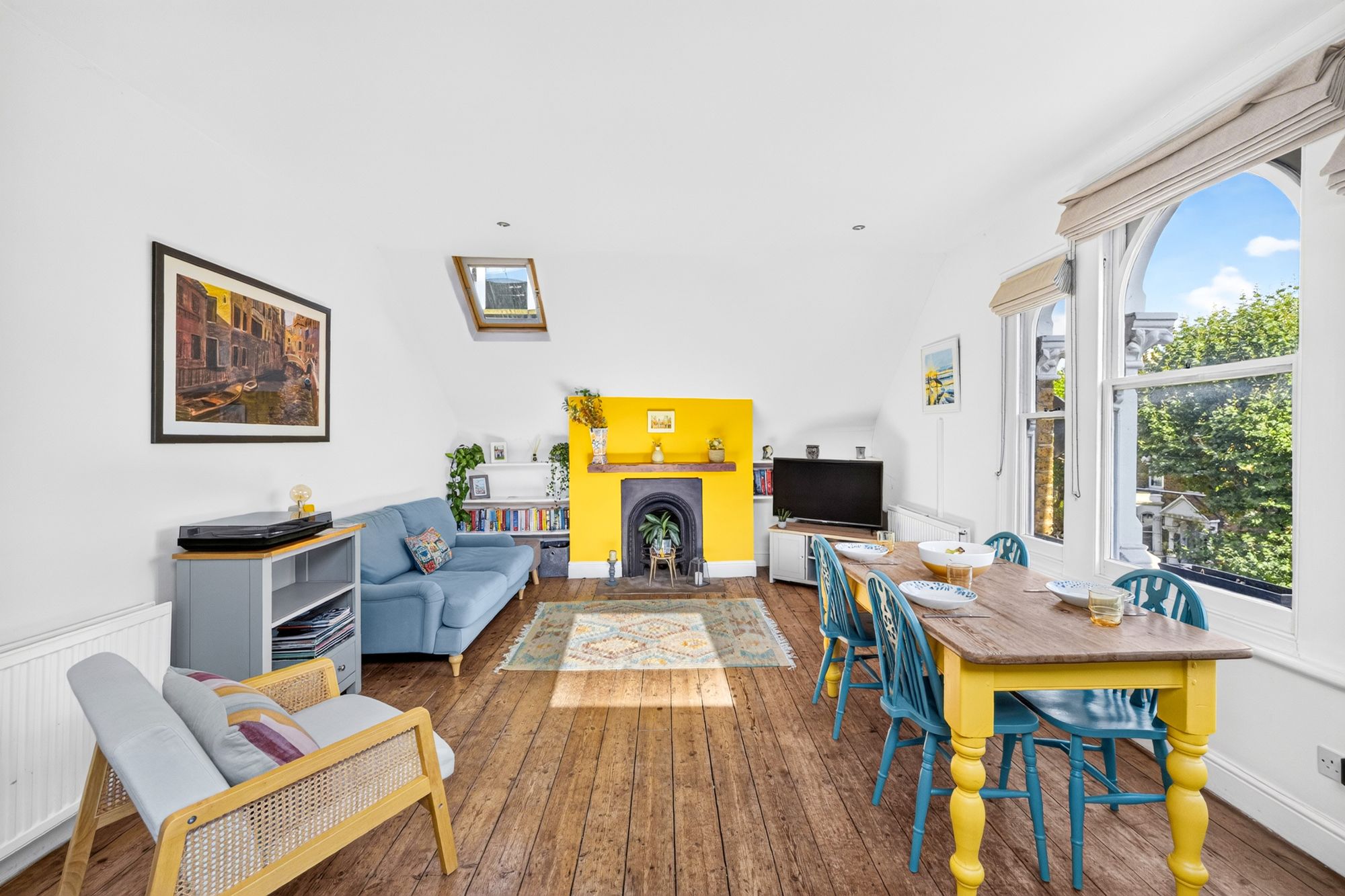 For Sale
1 bed, £460,000
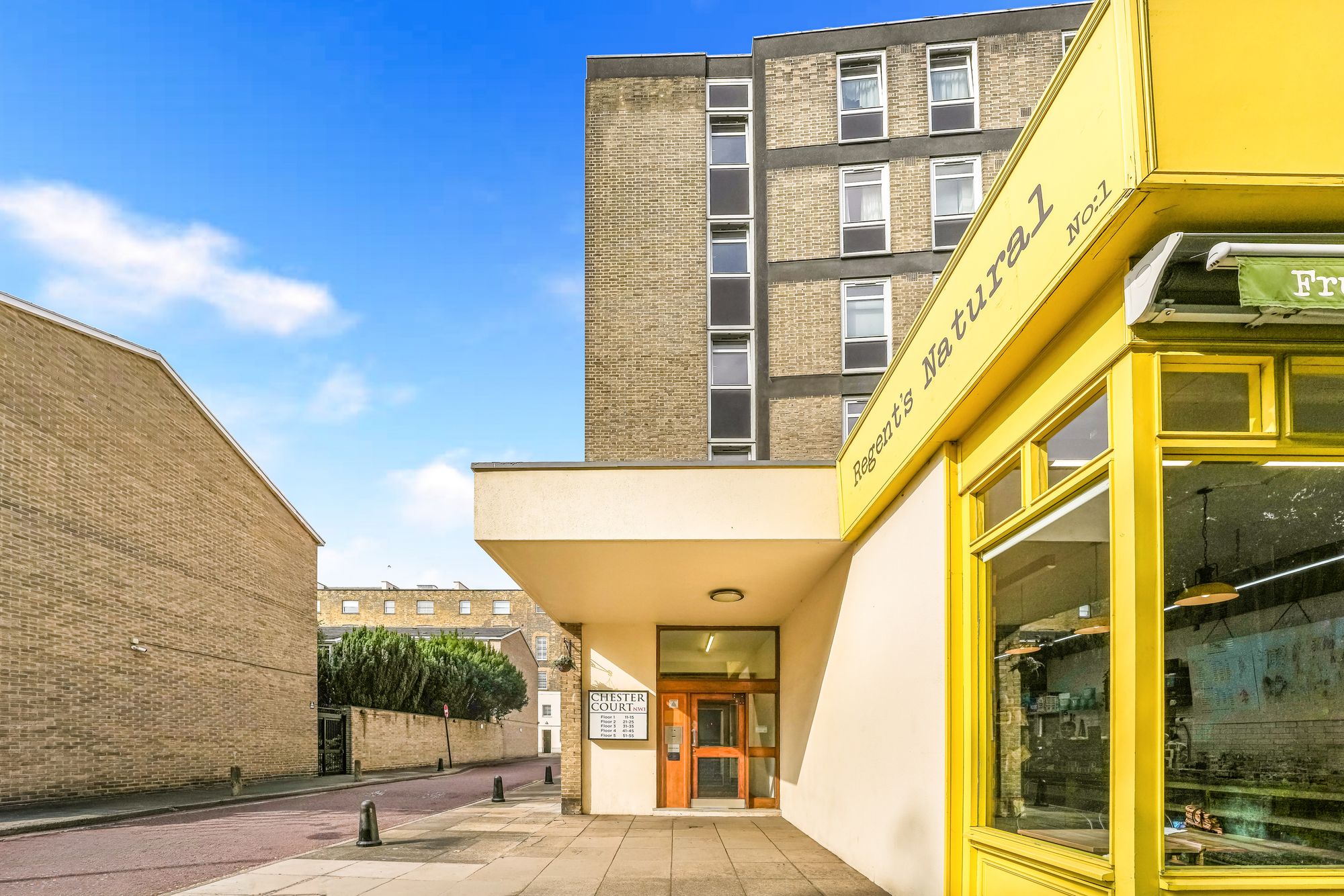
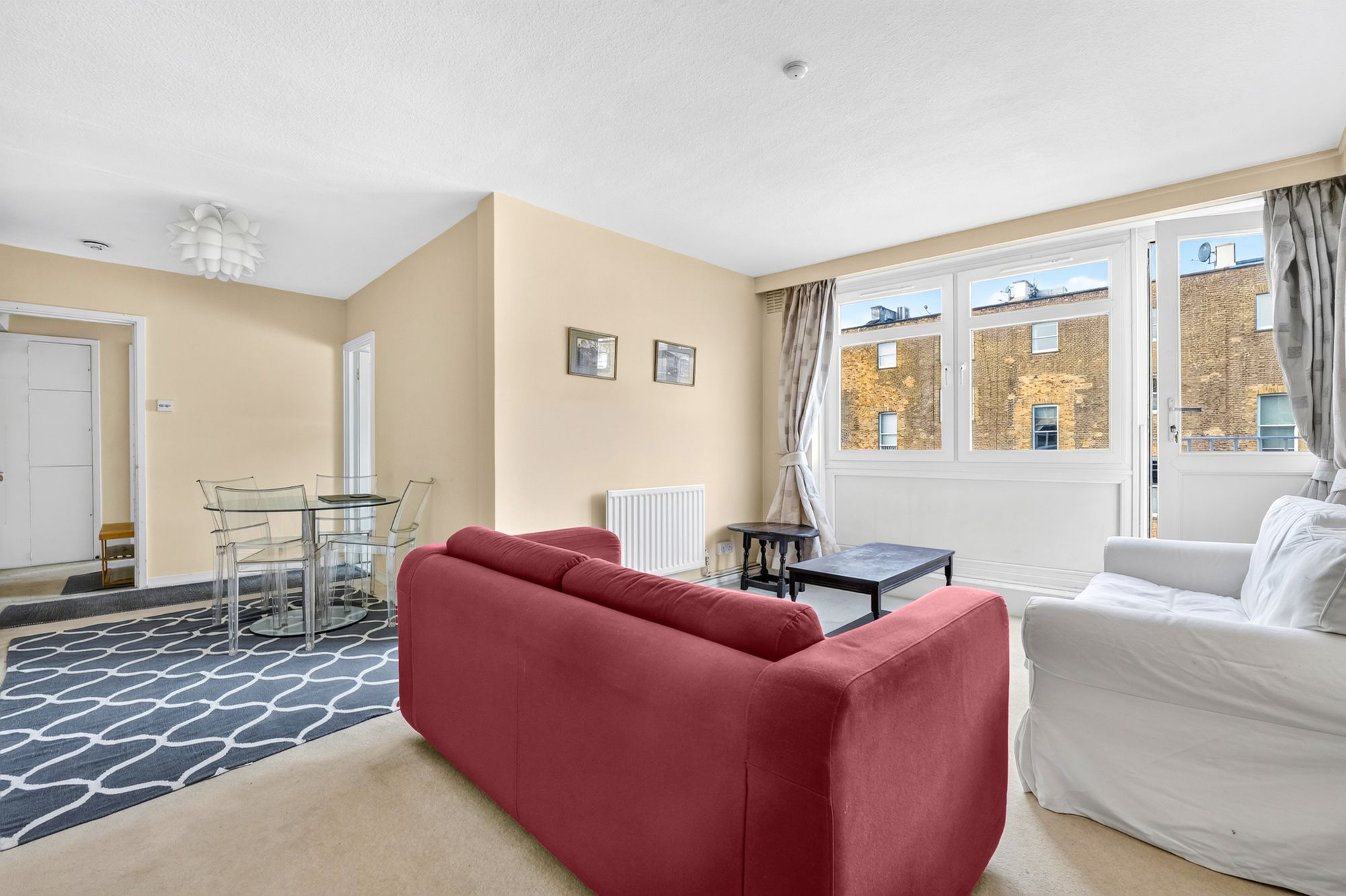 To Let
1 bed, £2,400 pcm
 To Let
1 bed, £1,800 pcm