Selling your home in 2024? We’ll start with the good news sellers – it’s not all doom and gloom. Yes, 2023 was quite the rollercoaster for our dear housing market. Prices dropped for the first time in over a decade, leaving homeowners in a bit of a tizzy. Research has shown that despite the fall in prices, 93% of sellers still made a profit. Who says those pesky avocado-smeared millennials can’t be homeowners, eh? Now let’s get to the juicy part: how much moolah did these lucky sellers make? Well, the average gross gain was a whopping £74,000.

Tick Tock…
But beware, timing is everything when it comes to selling a home. Especially selling your home in 2024. Lucky homeowners made bank on their properties in 2023. Raking in an average of £18k a year while living there. Not too shabby. Those who owned detached homes and bungalows were laughing all the way to the bank with gains of £137k and £102k respectively. The terraced Terrys and semi owner Suzies meanwhile, you made profits of £65k and £81k. Whilst apartment owners made £30k (or as we like to call it nowadays, a Kylie Jenner lip kit). But here we are in 2024. Where it’s still very much worth selling up, and we’re here to tell you what you can make, and how to calculate it all to begin with…
What will I have to pay?
Okay, let’s break down the costs that come with selling a house. First up, you going to need an Energy Performance Certificate (EPC). It’s like a report card for your home’s energy efficiency, and it can cost anywhere from £35 to £150 plus VAT. Then there’s the estate agent fees. They usually take a cut of the final sale price, but only if they actually sell your house. So basically, it’s a gamble. And don’t forget about the conveyancing fees! These guys will either charge you a percentage or a flat fee, depending on their style. Oh, and if you’ve got a mortgage and a leasehold property? Buckle up, because those fees are going to be even higher. Selling a house ain’t cheap, folks. But we’re here to reassure you that it’s worth it.
Any extra (sneaky) charges?
Yes you can’t forget about those sneaky mortgage charges too. Like the “mortgage exit fee” (sounds like a made-up term for escaping a haunted house). And the dreaded “Early Repayment Charge” (aka the price of breaking up with your mortgage early). And if you own more than one property, watch out for that pesky Capital Gains Tax. At least you can still claim tax relief on your main residence. Don’t forget to consult an accountant before selling.

What about the move itself?
Dreading the thought of the actual physical move? Yeah, we feel you. It can cost anywhere from £250 to £4,000 plus VAT. And if you’re thinking of hiring professionals, be prepared for a rollercoaster of fees based on factors like how far your new place is and how much stuff you’ve hoarded over the years. If you’re feeling adventurous and want to do it yourself, don’t forget about things like insurance, fuel, and renting a van. Speaking of insurance… double check if your current policy covers your move because nothing ruins a good day like finding out your precious belongings aren’t covered. Read everything carefully and make sure you won’t end up crying over spilled boxes. Don’t forget to update your followers with some #movingday pics…you know, before your face is a shade of beetroot and you’ve forgotten where your keys are.
How much will I actually make?
So, you want to know how much cash you’ll be raking in from selling your home in 2024? Well, it’s not as simple as just subtracting the mortgage and sale price. You have to factor in all the “fun” costs of actually selling a house. Like agent fees and closing expenses. After all that jazz, let’s say you’re walking away with £220k. Well let’s not forget if you co-own the property. You’ll have to split that dough based on your ownership agreement. Plus, for clarification’s sake, net proceeds ain’t the same as profit. One pertains to how much moolah you get after all the bills are paid, the other is what’s left over after deducting purchase and closing costs. But at least you can finally treat yourself to that fancy bottomless brunch in your new neighbourhood now.
When will I finally get the money from selling my house?
Unfortunately, those “how much will I make selling my house” calculators can’t actually determine when the funds will be in your bank account. However, it’s important to have a rough estimate of your potential earnings from the sale. Especially if you plan on investing them elsewhere. As owners seriously considering selling your home in 2024, you won’t receive any money until the entire process is completed. This happens when the solicitor receives funds first and then the call is made to the buyer to say completion has happened and they can collect fees. Roll on the avocado on sourdough!
Contact us:
mark@daviesdavies.co.uk – Sales Director (contact for sales, lettings and new homes)
katrina@daviesdavies.co.uk – Head of Property & Block Management (contact for property and block management)
Davies & Davies Estate Agents, 85 Stroud Green Road, London, N4 3EG
Article & images by Barefaced Studios
You might also want to read other useful blog articles by clicking here.
Please note that all content contained within our website is for informational purposes only. You should not construe any such information or other material as legal, tax, investment, financial, or other advice. All Content on this site is information of a general nature and does not address the circumstances of any particular individual or entity. We advise seeking professional advice from a legal, financial, or other professional.
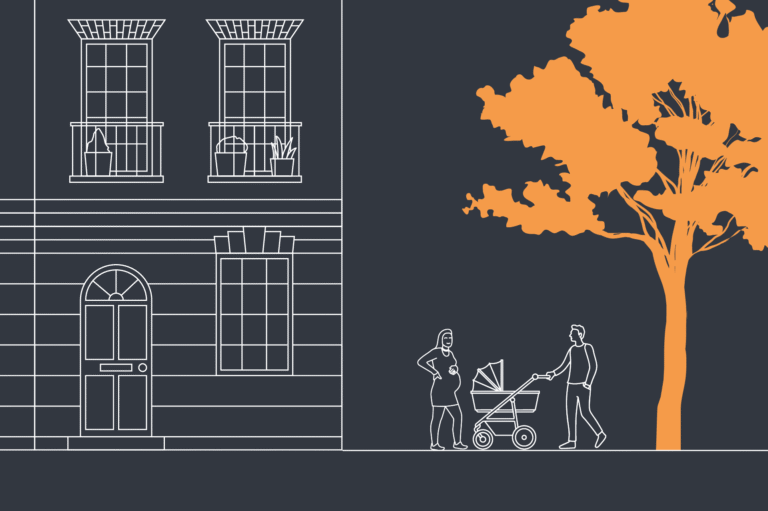
When you’re buying a home with young children, it’s very easy to shop for the life you have right now.
A spare bedroom becomes the nursery. The small garden seems enormous to a toddler. Being twenty minutes from school doesn’t sound too bad when you’re still thinking in terms of pram walks and nursery drop-offs. But children have an inconvenient habit of growing.
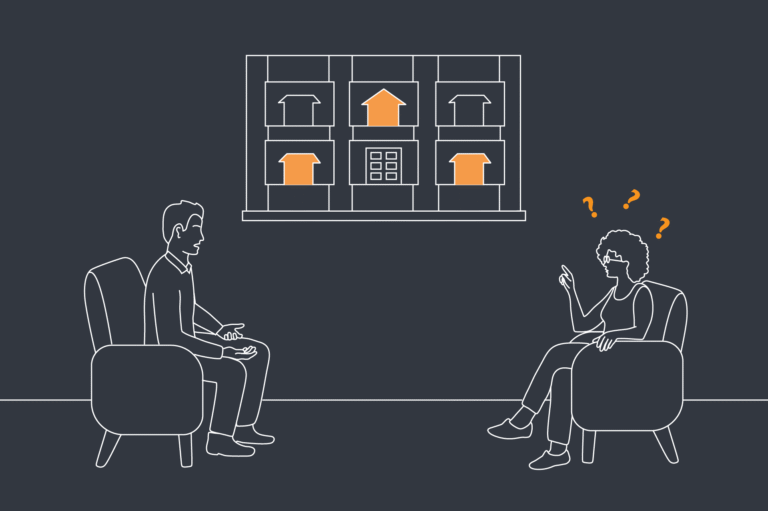
Selling your first home is an exciting milestone, but if you’ve never done it before, it can also feel like stepping into the unknown.
You know you need an estate agent, a solicitor and a buyer, but what actually happens before your property goes on the market? How do you know what your home is worth? What documents will you need? And how do you choose an estate agent that’s right for you? The good news is that a little preparation at the start can make the whole process far smoother. From understanding your finances to gathering important paperwork, here’s everything worth getting organised before you put the ‘For Sale’ board up.

There’s nothing quite like having an offer accepted on a home that ticks all the right boxes. After weeks, or even months, of searching, everything suddenly starts to feel real. Then the waiting begins.
Buying a property rarely happens quickly. Mortgage applications, surveys, solicitors and property chains all play a part, and while you can’t control every stage of the process, you can influence more than you might think. Over the years, we’ve seen organised buyers keep their purchases moving from day one, while small oversights have added unnecessary delays to others. A little preparation can make a significant difference.
Get in Touch
Opening Times
Mon – Thurs: 0900 – 1815
Fri: 0900 – 1800
Sat: 1000 – 1600
Sun: Appointments by request